Tim Flannery – Class of 1975

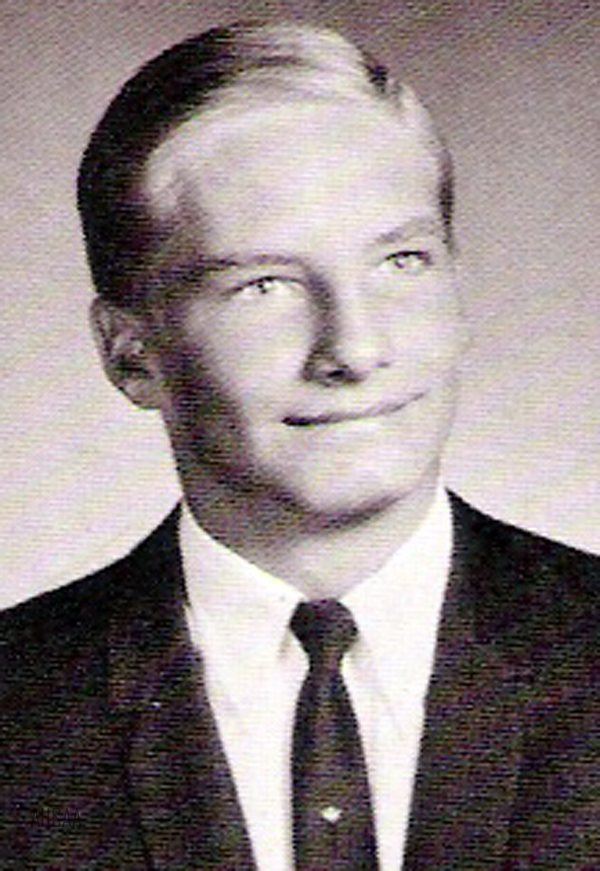
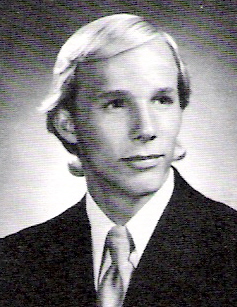
Tim Flannery 1975

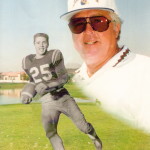
A lifelong baseball man and former Major League infielder with the San Diego Padres, Tim is currently coaching 3rd base for the San Francisco Giants, a position he’s held since 2008.

Tim, who probably had a guitar in his hand before a baseball glove, is also an accomplished musician who has been described by Garth Brookes as a “two-sport star.” He released his 10th record in 14 years, “Traveling Shoes,” on Oct. 30, 2009.
[Read more…]
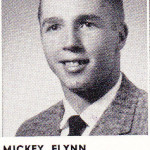
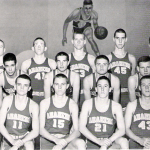
Mickey Flynn – Class of 1957

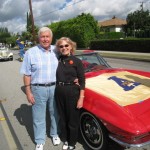
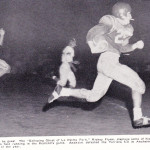
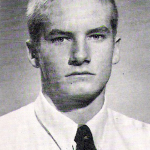
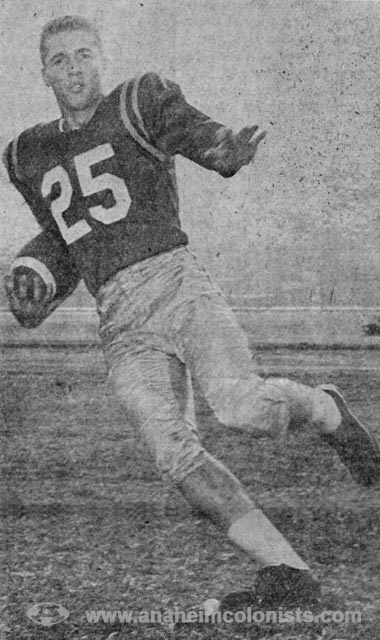
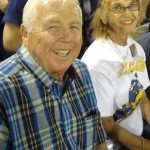
Twice named CIF Player of the Year, Mickey Flynn was Orange County’s first high school football superstar.

Averaging a spectacular 15 yards per carry, “The Galloping Ghost of La Palma Park” drew thousands of fans to stadiums all over Southern California to witness his dazzling runs, and he established a county rushing record that stood for nearly 20 years.

In addition to leading the Colonists to a CIF championship in football in 1956, Flynn also excelled in basketball and track and was president of the Colonist Club. For decades, Mickey Flynn has been a familiar face at Colonist football games and has been an unofficial ambassador for Anaheim High School, keeping alive blue and gold traditions.

Lou Correa – Class of 1976

Lou Correa - Class of 1976

Lou Correa – Class of 1976

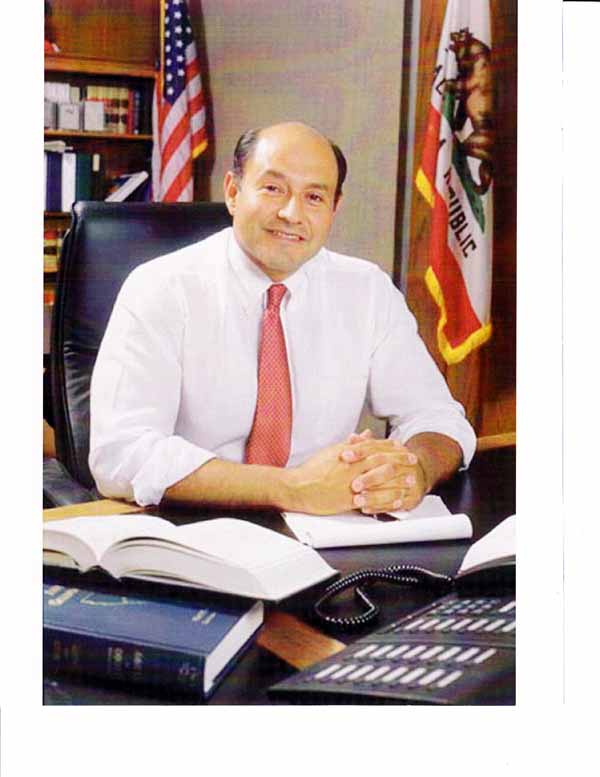
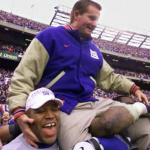
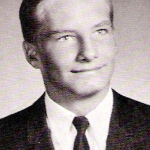
A role model and mentor to today’s Colonists, Class of ’76 graduate Lou Correa has dedicated his life to public service, but at the same time, always being there for his family, friends and fellow alumni.

Beginning Jan. 3, 2017, Lou will serve as a U.S. Congressman for California’s 46th District.

A former California State Senator, Lou is a product of the Anaheim school system. He attended Ben Franklin Elementary, Fremont Junior High and Anaheim High. While at AHS, Lou was a scholar athlete, excelling in science and track as both a long distance runner and sprinter. Lou was also a member of the school’s ROTC. [Read more…]
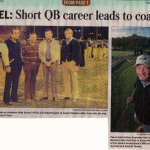
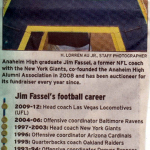
Jim Fassel – Class of 1967

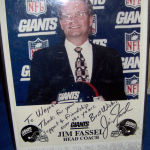
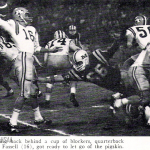
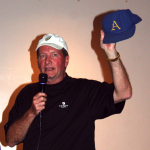
Jim Fassel '67 - Copy005Jim Fassel from Anaheim High Class of ’67 is a Colonist who literally grew up on Colonist athletic fields since his father, Bud, also an Anaheim grad from Class of ‘39, was the equipment manager for the Athletic Department for more than 25 years.

Much more can be said about Bud Fassel’s positive influence on the lives of the athletes he interacted with on a daily basis. Most importantly was the impact Bud made on his son who went on to play quarterback for the Chicago Bears and the San Diego Chargers, going on to become head coach of the New York Giants.

Jim was named NFL Coach of the Year in 1997, and he took the New York Giants to Super Bowl XXXV in January 2001. Most recently, he served as head coach, manager and president of the Las Vegas Locomotives in the United Football League, winning several UFL title during the league’s existence. He has also worked as an ESPN sports announcer.

Jim writes that “everything that has happened to me in my life can be traced back to Anaheim High,” in the foreword of Anaheim Colonists Football – A Century of Tradition by Dennis Batement from AHS Class of ’89. “Being a ball boy for the football team, riding the team bus with so many great athletes and on the back of the equipment truck are still some of the greatest thrills of my life.”

Jim devotion to his alma mater has never stopped since graduating in 1967. He established the Bud Fassel Memorial Scholarship, which annually awards outstanding Colonist athletes. He also sponsors the annual AHS Alumni Association Golf Classic as a golfer, donor and auctioneer for the event’s silent auction.

Jim is also involved in raising fund for the 911 first responders. The Jim Fassel Foundation, set up in 2002 to support first responders and the families affected by the World Trade Center attacks, has raised more than $1.1 million. Click the following link to read an in depth article on Jim and his devotion to Anaheim High: Jim Fassel

More on his athletic career is available at: http://en.wikipedia.org/wiki/Jim_Fasselhttp://en.wikipedia.org/wiki/Jim_Fassel

Teachers Turn Around Anaheim High

Featured in the April issue of California Educator magazine


(pictured: Dean Elder, Chemistry)


By Sherry Posnick-Goodwin


Five years ago, teachers decided to transform Anaheim High School with a group called, oddly enough, “Critical Friends.” Faculty from all departments and grades began meeting regularly for candid discussions about what was — and wasn’t — working at their campus. They displayed the work of their students and asked colleagues for their honest opinions. They began opening their doors and watching each another teach and giving feedback. They decided to trust each another.

Teachers had to lead the path to change because there was a vacuum in leadership at the time. The school and the district were in between principals and superintendents. The campus, in the second decile on the API with more than 70 percent English learners, was floundering.

Salvation arrived in the form of a $500,000 Comprehensive Schools Reform grant from the federal government. With no administrative leadership, teachers took control of the money.

“I ended up being in charge of it,” says Dean Elder, a chemistry teacher and member of the Anaheim Secondary Teachers Association (ASTA). “So I gathered a group of teachers together to figure out what we were going to do with the money.”

ASTA members opted for using the money on professional development modeled on the Critical Friends Group program based in Bloomington, Indiana. They hired consultants from the South Basin Writing Project to help them. And slowly, things improved.

“We began creating benchmarks,” recalls Elder. “We began looking at data. We organized our departments so teachers were basically teaching the same standards in the same classes. We began emphasizing critical thinking skills instead of filling in the blanks. Quality assignments replaced worksheets.”

The full-inclusion school also opted to have mainstream and special education teachers co-teach certain classes together, to address the needs of struggling students as well as students with special needs. Intervention classes were added.

Improvement was staggering: From 2004 to 2008, the school’s API ranking went from 571 to 701. The culture shift rocked the school, says English teacher Doug Wager. “People were willing to open their doors and talk honestly in an environment where they weren’t judged for having trouble. It helped my teaching tremendously, and I stopped beating myself up.”

Student motivation increased, too, with Wager leading assemblies designed to instill students with taking personal pride in their schoolwork and test scores.

“I tell students that everything with their name attached to it is important, and that whether they like it or not it becomes a part of us,” explains Wager. “I tell them that saying ‘I don’t care’ is a defense mechanism, and nobody is really happy when they don’t do well on something.”

Thanks to funds from the Quality Education Investment Act (QEIA), class size reduction occurred in some areas last year. By next year, all core classes should have a ratio of 25 students per teacher. QEIA funds will allow additional counselors to be hired. Last year the school received a bronze medal from U.S. News and World Report, which evaluated 22,000 schools nationwide and awarded 1,300 medals for improvement.

Anaheim High School is a good school, but it needs to get better, says math teacher Jessica Torres. “I think we need to step it up a little bit. We need to improve, not just in terms of getting low-end kids where they need to be, but also help higher-end kids prepare more for college.”

English teacher Sharon King believes that is entirely possible. “It gets harder every year, but teachers still have the power to make changes.”

The Gold and Blue – Spring 2010

Spring 2010 issue: Final Spring 2010 Gold and Blue


Ongoing Improvements at AHS – April 7, 2009

http://www.ocregister.com/articles/new-anaheim-building-2356770-campus-high