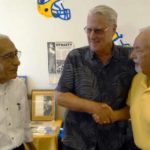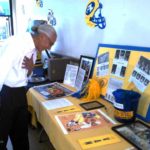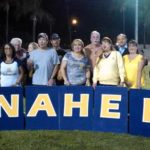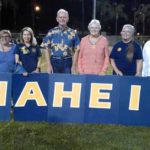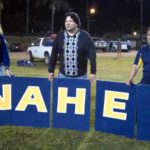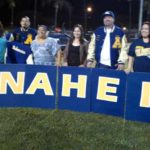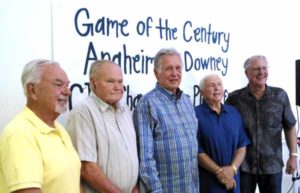
Football Players from the 1956 CIF Championship Team Unite for 60th Anniversary Celebration

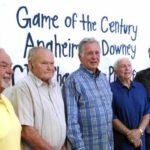
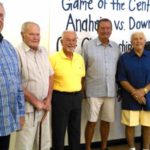
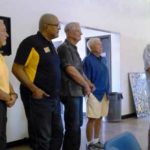
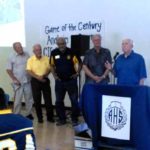
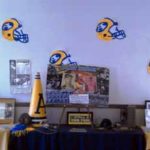
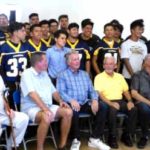
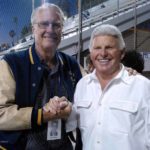
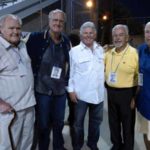
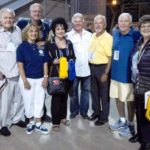
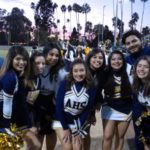
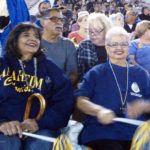
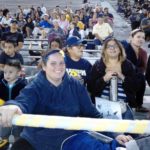
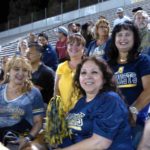
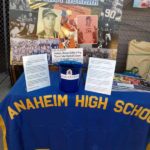
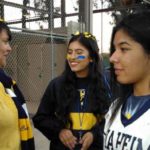
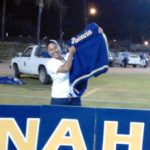
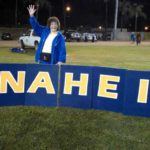
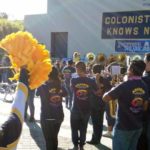
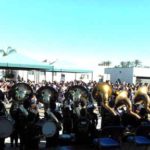
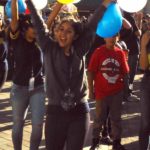
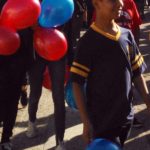
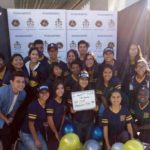
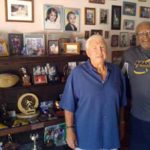
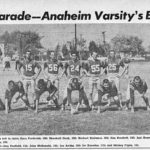
wp_000805Anaheim Colonists celebrated the 60th Anniversary of the historic 1956 CIF Championship game –  ranked #6 of the top 100 events in CIF’s last 100 years – by inviting former players back to the campus on Friday, Oct. 21, 2016.

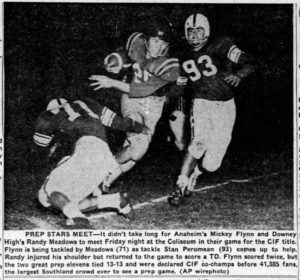
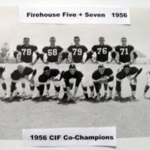
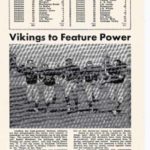
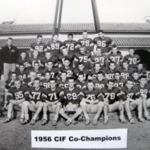
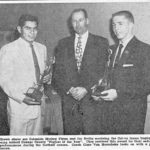
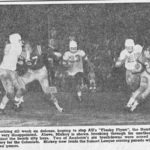
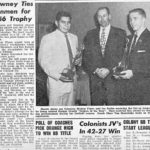
The players were feted by the Varsity Football Team and fans who haven’t forgotten the celebrated game that ended in a 13-13 tie between Anaheim and Downey. Both teams were undefeated with record-setting runningbacks known as the touch-down twins, Mickey Flynn from Anaheim and Downey’s Randy Meadows.

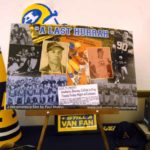
Friday’s celebration started with players and others connected with “The Big Game” being interviewed by “The Last Hurrah” documentary filmmaker Paul Molina.

The film will illustrate how a game of such magnitude could not – and would not – ever happen again due to the changing economics and infrastructure of the southland that would transform the small towns of Anaheim and  Downey into entertainment and aerospace capitols. High school football would continue to be popular – but it would never again be king. (Click here for a preview of “The Last Hurrah” documentary.)wp_000771
The players who returned to the Anaheim High campus, and those who could not, are still kings in the eyes of the the Colony Community.

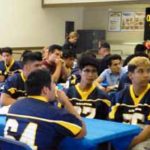
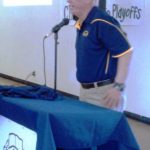
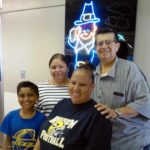
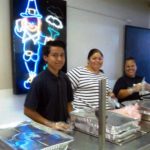
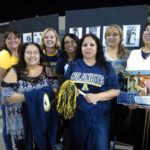
The anniversary celebration carried over to the cafeteria, where the Varsity Football Team, former players, family and friends, gathered for a meal, to watch the restored film of the 1956 game, and to hear a pep talk from legendary runningback Mickey Flynn, whose #25 is one of only four retired by Anaheim High.
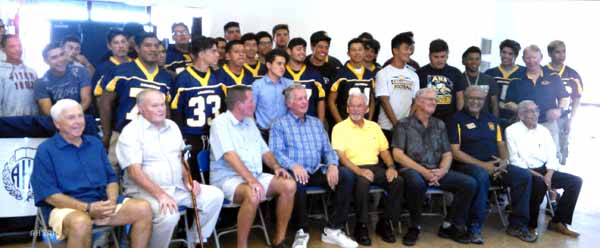
wp_000812Haller of Famer Jim Fassel (’67) was also on hand to support the team. Fassel is a former NY Giants Super Bowl coach who has been a life-long Colonist supporter, like his father Bud Fassel (’38), AHS equipment manager and right-hand man to Coach Clare Van Hoorebeke.

After a group photo, the Varsity Team left to suit-up, and the alumni contingency toured the newly remodeled campus fitness center (what’s been known as the weight room) featuring equipment donated by Fassel from his two-time UFL champions Las Vegas Locomotives. Fassel served as head coach, president and general manager.
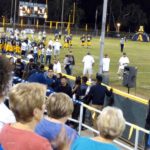
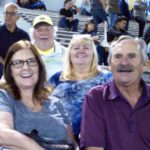
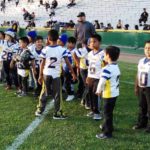
After a refreshment break, the group’s next stop was Glover Stadium for the game and half-time ceremony to honor the former players. Anaheim won the game 38-27 against Savanna. Escorted by student ambassadors, the crowd embraced the 1956 CIF Championship players with applause and adoration.
It was a perfect ending for a special day celebrating a game for the ages, the players who played it, and the fans who still talk about “The Big Game.”

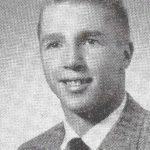
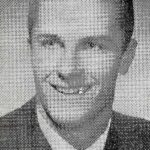
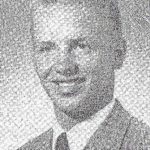
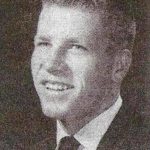
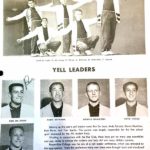
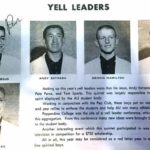
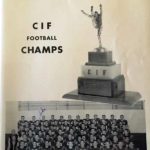
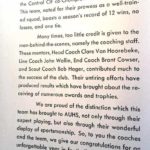
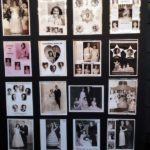
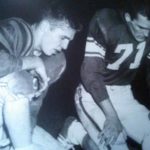
A more indepth article about “The Big Game” is available via this link. Click here to view related photos from the 1957 yearbook.

Following are more photos from the day:


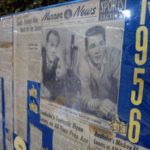
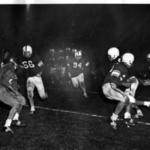
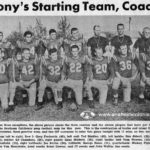
1957 CIF Championship Football Game – Yearbook Photos

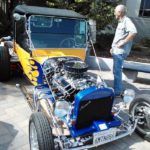
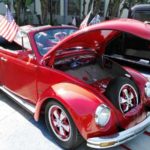
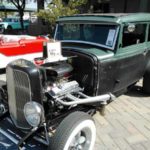
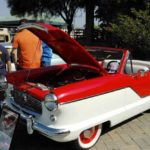
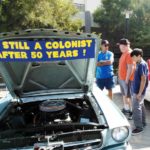
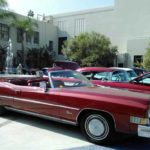
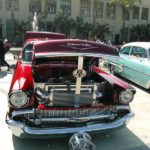
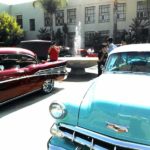
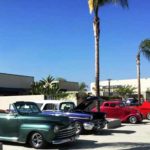
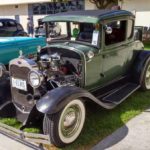
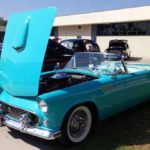
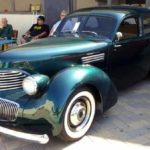
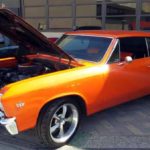
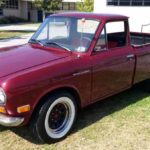
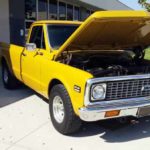
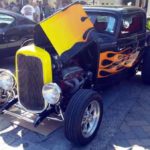
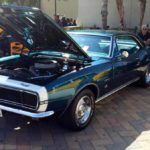
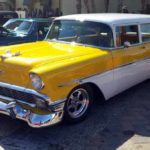
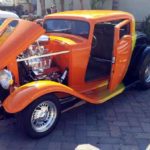
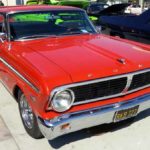
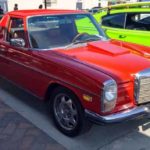
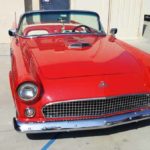
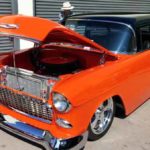
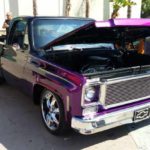
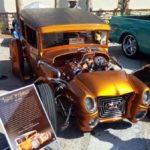
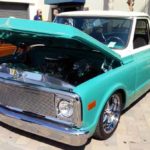
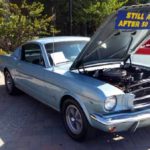
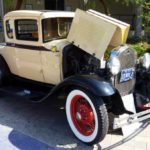
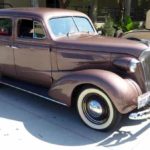
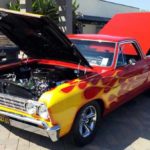
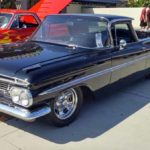
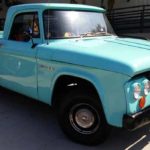
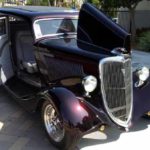
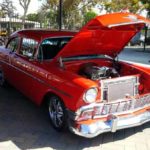
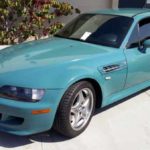
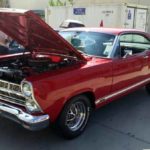
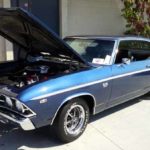
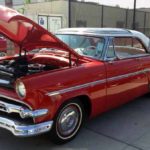
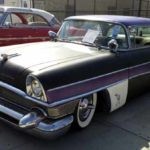
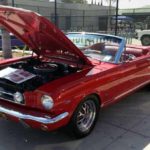
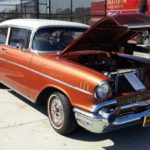
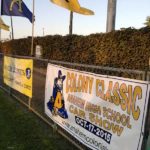
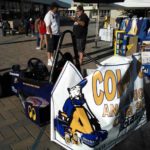
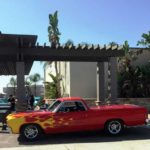
More than 100 Classics Cruised the Colony Campus at the 2016 Car Show

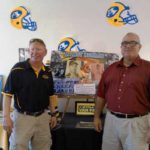
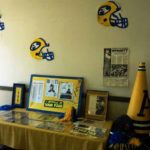
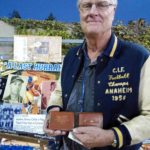
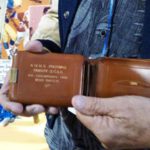
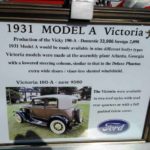
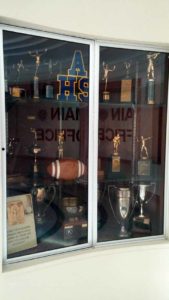
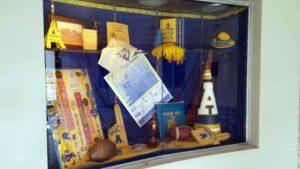
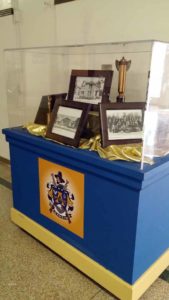
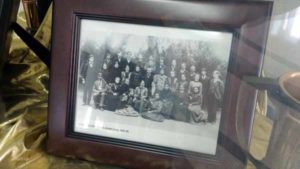
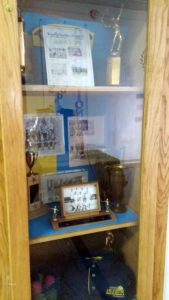
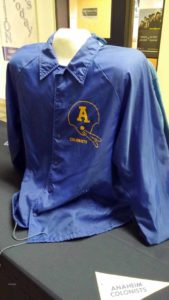
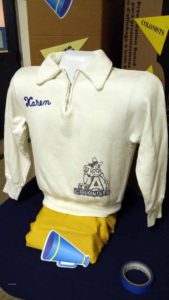
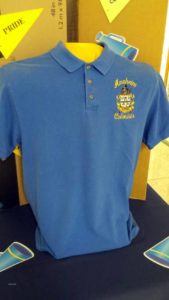
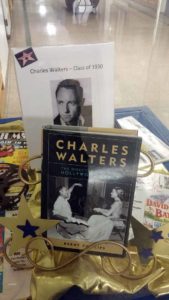
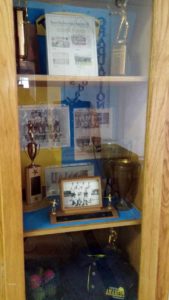
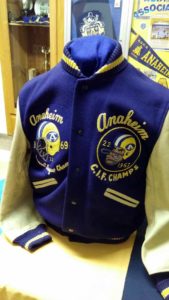
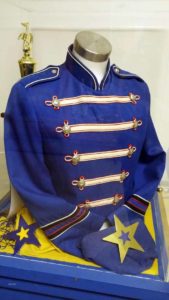
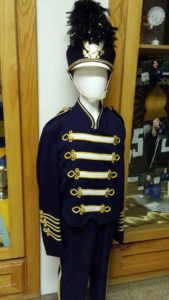
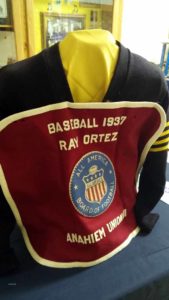
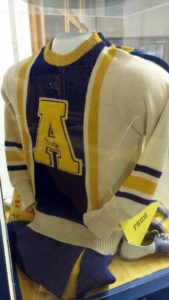
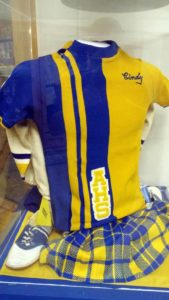
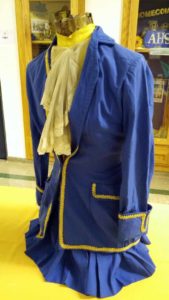
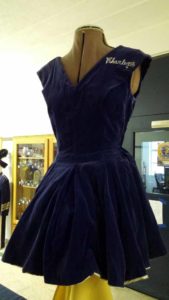
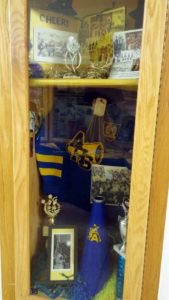
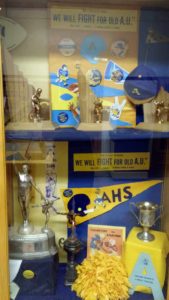
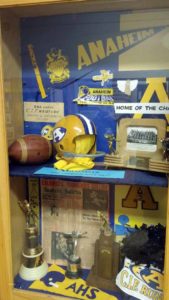
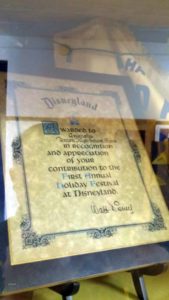
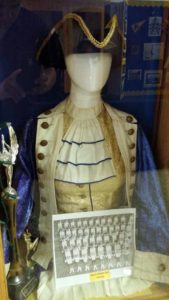
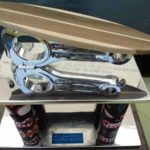
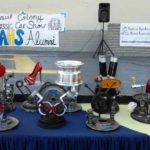
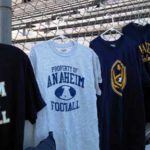
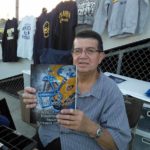
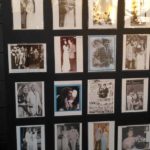
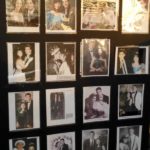
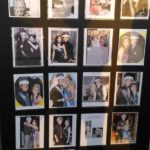
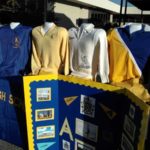
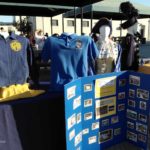
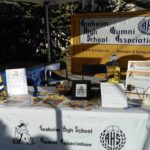
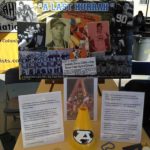
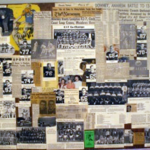
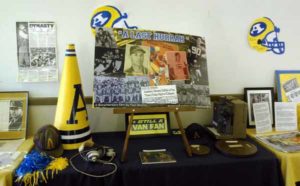
Memorabilia Display at 2016 Car Show

20161015_08451520161015_08453020161015_08453920161015_08455220161015_08460620161015_08462920161015_08465720161015_08474420161015_08475520161015_08482920161015_08483620161015_08484720161015_08490020161015_08490920161015_08492320161015_08502520161015_08504820161015_08514020161015_08515420161015_08520820161015_08521620161015_08523820161015_08524620161015_08535520161015_08535820161015_08541320161015_08543420161015_08545220161015_08550720161015_08551720161015_08553820161015_08560520161015_08561020161015_08562020161015_08562820161015_08564720161015_08570320161015_08571120161015_08573820161015_08575420161015_08581420161015_085820

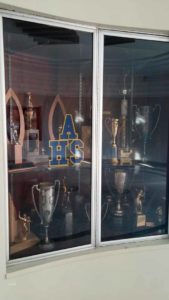
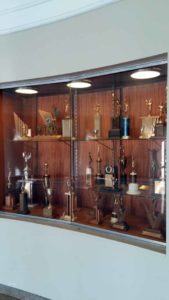
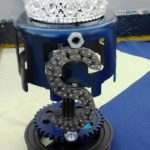
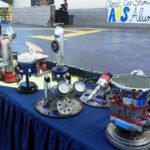
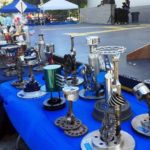
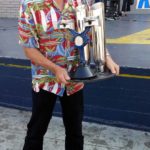
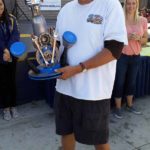
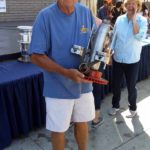
2016 Car Show Trophies – A Sampling of What’s Awarded

2016 Colony Classic Car Show Trophy Winners

Thanks for your particiation in the 2016 Colony Classic Car Show. To see a list of all the trophy winners, click here.

We may not have a photo of every winner, but we tried. If we missed you, you’re welcome to submit a photo of you holding your trophy next to your car and we’ll include here. Email photos in a jpeg format to anaheimalumni@yahoo.com. You’re also welcome to include a story about your car with background on how you obtained it, refurbishment history and any fun facts. Thank you!

Anaheim High Celebrated During Homecoming 2016

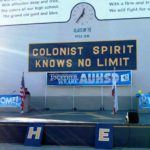
The Colony community celebrated Homecoming 2016 over Sept. 23 and 24 with several gatherings, including a varsity football game, an on-campus rally and several class reunions.

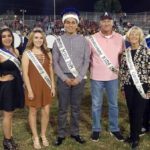
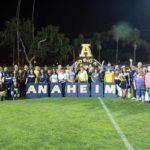
A full stadium of fans cheered as the Colonists defeated the Loara Saxons 28-0 at La Palma Park’s Glover Stadium. A performance by the Anaheim Band and Flags, as well as the crowning of the 2016-17 homecoming court, provided crowd pleasing  homecoming half-time entertainment. The eveninng ended with the traditional singing of the alma mater and photos under the Big A.

Some 1,500 students, parents, alumni and community members, triple the number anticipated, came to Anaheim HS on Saturday to celebrate our local public schools. The event included a neighborhood walk, entertainment, campus tours and more.

Opposing Teams of Historic 1956 CIF Championship Game Unite to Kick Start Documentary

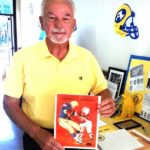
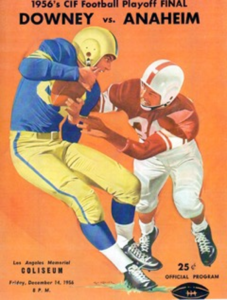
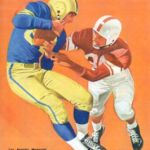
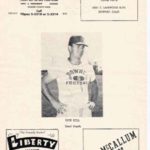
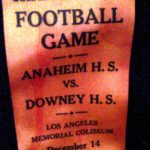
Football program cover

Football program cover

It is considered the biggest high school football game in California history – the legendary 1956 CIF championship game between Anaheim and Downey High Schools. The game has never been matched in terms of local interest, young idols, and a record-setting crowd. Sixty years later, the game that ended in a tie between the two undefeated teams is still being celebrated by historians, football fans, and alumni from both high schools.

In anticipation of an Oct. 21-23 60th anniversary celebration of the game, both Anaheim and Downey are planning reunions and commemorations to honor players from the 1956 teams.

Both sides are also teaming up to help kick start a documentary film project, “A Last Hurrah.” The fundraising effort is to provide film maker Paul Molina with an initial production budget to record and edit interviews with players, including Anaheim’s star running back Mickey Flynn, as well as fans who attended the game.

“There is a sense of urgency,” says Molina. “It’s almost certain that these reunions will not be formally arranged ever again.”

A 5-minute promo video of the project may be viewed via the project’s GoFundMe campaign. When achieved, the $24,000 goal will allow completion of a work-in-progress by November in order to obtain finishing funds from foundations and organizations dedicated to historical and cultural preservation.

Molina graduated as a football star from Katella High School in Anaheim. He went on to UCLA’s School of Theater, Film, and Television, spending the past 25 years producing and writing documentaries and news programming for PBS, The Learning Channel, E! Entertainment, NBC affiliates, Netflix and others. Now he’s ready to film a project that is much more personal to him.

56-article-2“As a native southern California, I am very passionate about this dream project,” Molina said. “In today’s digital world, it’s difficult to appreciate the amount of hype this game generated 60 years ago, but the media buzz was unprecedented. Each team had a superstar in the backfield, Anaheim’s Mickey Flynn and Downey’s Randy Meadows. Each guy averaged over 16 yards per carry!”

The documentary will take viewers back to when Anaheim and Downey were still considered small towns that were truly represented by their high schools teams, each a football powerhouse with legendary coaches who would achieve hall of fame status: Anaheim’s Clare Van Hoorebeke and Downey’s Dick Hill. Businesses closed early, and opposing schools brought busloads of fans to watch the teams clash in the L.A. Memorial Coliseum.

But it’s also the aftermath of the gridiron match that proved a game of such magnitude could not – and would not – ever happen again.

“Although the game is what drives this story forward, this documentary is about much more – a social and cultural transformation of an entire region, when all eyes of the nation were on California,” says Molina.  “This documentary would appeal to all persons interested in American history in the 1950s.”

Molina is collaborating with Art Hansen, a CSUF professor emeritus who is writing a book entitled “The Golden Kingdom: Prep Football and Early Cold War Society and Culture in Southern California.”  The book, once published, will provide a social and cultural “context” to help readers fathom why the fortunes of high school football programs, as embodied and symbolized by the 1956 Anaheim Colonists and the Downey Vikings, assumed such potent significance, meaning, and value within early Cold War Southern California.

Molina adds: “The landscape of southern California was changing so rapidly that if we look back at that period from afar, perhaps we can also reflect on how we sometimes treat our heroes, and what that says about us,” he explained.  “Most importantly, this film will allow the men and women interviewed to tell their stories – which will make us all richer by reflecting upon their experiences, and ours.”

Click here to donate via the GoFundMe campaign.  Any amount is welcome, but incentives are being offered as follows:

$25 – A digital download of the finished documentary “A Last Hurrah.”

$50 – Digital downloads of “A Last Hurrah” and the 1956 Anaheim vs. Downey title game preserved by the OC Sports Hall of Fame and the Anaheim and Downey alumni associations.

$100 – Digital downloads of “A Last Hurrah,” the 1956 Anaheim vs. Downey title game, and the game program.

$250 – All of the above, plus a hard copy replica program signed by Mickey Flynn.

$500 – All of the above, plus an Anaheim High Mickey Flynn #25 jersey.

$1000 – All of the above, including a signed #25 Mickey Flynn jersey and a collectible OC Sports Hall of Fame book and poster featuring Anaheim High memorabilia from the 1956 game.

$5000 – All of the above, and screen credit as an executive producer

More information about the Anaheim celebration on Oct. 21 is available at www.anaheimcolonists.com. For those who wish to make a donation by check, donations may be mailed to the AHSAA, P.O. Box 389, Anaheim, CA, 92805. Please write “A Last Hurrah” on the check’s memo line. Questions may be directed to anaheimalumni@yahoo.com or to Paul Molina via paulgmolina@gmail.com.

Sid Sowder Freudenstein – Class of 1963

Sowder_Sid002It was a long walk f0r a boy from Anaheim, who used to dive off the garage rafters on to an old couch, to carrying the flag in the ’68 Olympics as co-captain of the Men’s Gymnastics Team in Mexico City.

But Class of 1963’s Sid Sowder Freudenstein’s transition to a world champion, from that 6th grader whose grandfather found him alone doing dangerous diving stunts, started when he was enrolled him in Sammy Lee’s swim & dive club.

It was in junior high where he discovered some bars and rings outside in a sandpit and he taught himself kips and giant swings (with straps). “I didn’t know the names of the skills then; I just saw other kids doing them,” he wrote in his autobiography.

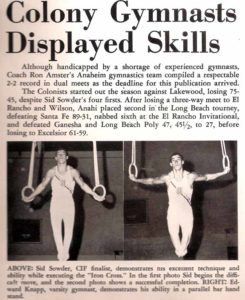
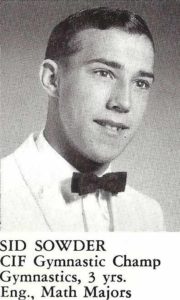
Sowder_Sid001Freudenstein started formal gymnastics as a sophomore in 1960 under Ron Amster at Anaheim High. He credits his coach as being responsible for his initial success. He won many competitions, mostly on tumbling, floor and vault. In his senior year, he was the High Point Man (closest to All-Around) at the Southern California State Championships.

He wasn’t able to attend his first choice, UC Berkeley (Cal), because his grades weren’t quite good enough. He was awarded a scholarship to USC and was excited to attend there since many of his friends were also at USC. Unfortunately, when went to matriculate, he was told his scholarship went to someone else.

He was devastated, but kept up his studies at Santa Ana Junior College and continued to train at Anaheim High. He finally made it to Cal in 1964 and graduated in 1968 with a degree in physics. As a UC Berkeley student, Freudenstein won many invitationals, PAC 8, regional titles, and national and international awards.

In the summer of 1966, he was chosen to attend an Olympic training camp at Penn State, and most importantly, as a U.S. Gymnastics Federation alternate to the World Championships in Dortmund Germany.

In the summer of 1967, he was chosen to compete in the World University Games in Tokyo. He placed second in floor exercise against some of the best in the world.

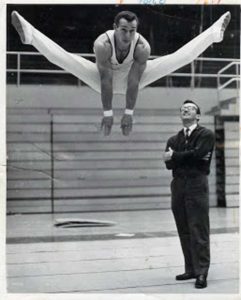
freud1In his senior year in 1968, at the NCAA Championships he tied for first on floor exercise, and his team won the title in a thrilling ending.

He was on the way to the Olympics after placing 19th out of 20 selected in first trials. While he did well in the 1968 games, he was sick for several training days and the compulsory floor finals were held first thing in the morning when scoring was generally low.

Freudenstein continued to stay involved in his sport, even after returning to school at the University of Colorado (CU), earning a Ph.D. in physics in 1976-77. He occasionally judged high school gymnastics meets, announced CU’s home meets, and took the job of head gymnastics couch a year before he started to teach physics at Metropolitan State College of Denver in the spring of 1977.

He taught and coached until CU dropped seven sports, including gymnastics in 1980. During his coaching tenure at CU, he brought the team from shambles to a top-10 preseason ranking.

In 1980 and 1982, he was chosen by the State of Colorado to be the exchange coach of a sister-state program in Brazil. In 1982, he started and directed a not-for-profit private club called Colorado Academy of Artistic Gymnastics (CAAG). It grew to its maximum of 417 students right after the ’84 Olympics.

Freudenstein has published and given talks on the biomechanics of gymnastics and authored a teaching manual for major textbook in physics. He has also published several papers in plasma physics and teacher education. He has chaired Denver’s Metropolitan State University Physics Department since 1995. In 2005, he was inducted into the University of California Athletic Hall of Fame.

For a more complete look at his Olympic career, visit:

http://www.sports-reference.com/olympics/athletes/fr/sid-freudenstein-1.html

Rick Sloan – Class of 1964

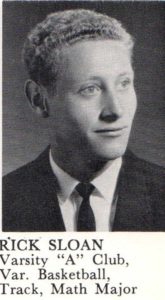
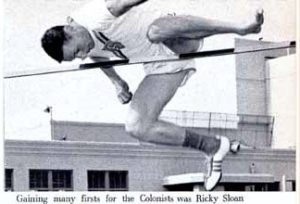
Rick Sloan senior photo class of 64As a skinny sixth grader in 1957, his photo appeared in the Anaheim Bulletin’s sports section competing in a long forgotten jumping competition. The caption suggested that “maybe someday little Ricky Sloan” will make it to the Olympics.”

The prediction came true but in such a roundabout way that some might call it miraculous.

Miracle or not, Sloan’s hard work and perseverance certainly played a role in his athletic career that led him to the 1968 Olympics and a coaching position for more than 40 years with Washington State University.

Apparently, there was something about running, leaping and jumping over poles that attracted this Anaheim youngster’s attention enough that he kept at it until he began setting records. Ultimately, he placed 7th in the 1968 Olympics decathlon, setting a world record decathlon high jump record in try outs of 6-11 ¾. He also became the fourth American in the sport to exceed 8,000 points.

Upon reading the Anaheim Bulletin article, Sloan had to ask his parents what the Olympics were. Once it was explained to him, Sloan said in another newspaper article about himself, this one in 1995, that he thought, “yeah, that’s something I would like.”

What followed was his mechanic father welding uprights and Sloan using old mattresses and sticks of bamboo as his first pole vault apparatus.

sloan doing high jumpDespite having Osgood-Schlatter disease in both legs as a teen, Sloan would straddle-style into saw dust pits to high jump 6-foot-7-inches at Anaheim High to win the CIF title. (The California record at the time was 6-9.)

Universities with the reputations as major track powers wanted him, but his grades held him back. Instead, he worked and enrolled at Fullerton College, eventually improving his mark to 6-10 in the high jump.

He made it to UCLA, where he became the first Bruin to exceed 7-feet in the high jump; he vaulted 7-1 when the world record was 7-7.

Near the start of his senior season in 1968, Sloan broke a bone in his ankle and required surgery. He could not recover soon enough to make the Olympics team in the high jump or vault, and was talked into training for the decathlon.

To quote a May 16, 1995 article about him in the Spokesman-Review by Dave Boling: “At age 21, truly a baby in the decathlon, he went on to win 7th place in Mexico City. After the two-day ordeal had completed, Sloan walked through the empty stadium with his poles. On the P.A. system, someone had piped in Beethoven’s “Ode to Joy.” Sloan said he looked up at the Olympic flame against the blacken sky and cried from the realization of his amazing accomplishment.”
Sloan continued competing after the Olympics and was runner-up in the 1969 AAU Amateur Athletic Union (AAU) decathlon. He also competed with the Southern Cal Striders track and field club, which in its day, laid claim to being “largest and strongest multiracial track-and-field club in the history of the sport, with a collection “America’s finest Olympic Track and Field Stars.”

Unfortunately for Sloan, he couldn’t sustain his athlete career and support a family. With a new baby on the way with his wife, Sandy, Sloan gave up competing at age 22 and sold paint in a hardware store for two years while earning his teaching degree.

He told the reporter that he wished the system had allowed him to continue his athletic career. “I honestly believe I could have won gold in Munich in ’72, or at least bring home a medal.”

Rick SloanBy 1973, Sloan was coaching track and field part time for Washington State. He spent 41 years at the university, retiring in 2014 at age 67. During his four-decades-long coaching career at WSU, about half spent as an assistant, then transitioning to head coach in 1994. He finished as the men’s and women’s track and field head coach and the dean of Cougar coaches.
During his tenure as the Cougar track program’s mentor, Sloan has seen the men set 22 school records and the women set 84 school records. He has directed 42 WSU athletes to NCAA outdoor all-American status 76 times and directed 33 athletes to NCAA indoor all-American status 47 times.
Sloan is well known internationally in the multi-events circuits because of his 14 years as coach for four-time world decathlon champion, Olympic champion and former world record-holder Dan O’Brien and because of his mentoring of Olympic heptathlete Diana Pickler. He’s also coached the late Gabriel Tiacoh, the quarter-miler from Ivory Coast who won an Olympic silver medal in 1984.

For more statistics on his appearance in the 1968 Olympics, visit:

http://www.sports-reference.com/olympics/athletes/sl/rick-sloan-1.html